Out of Stock

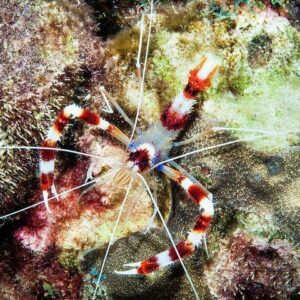
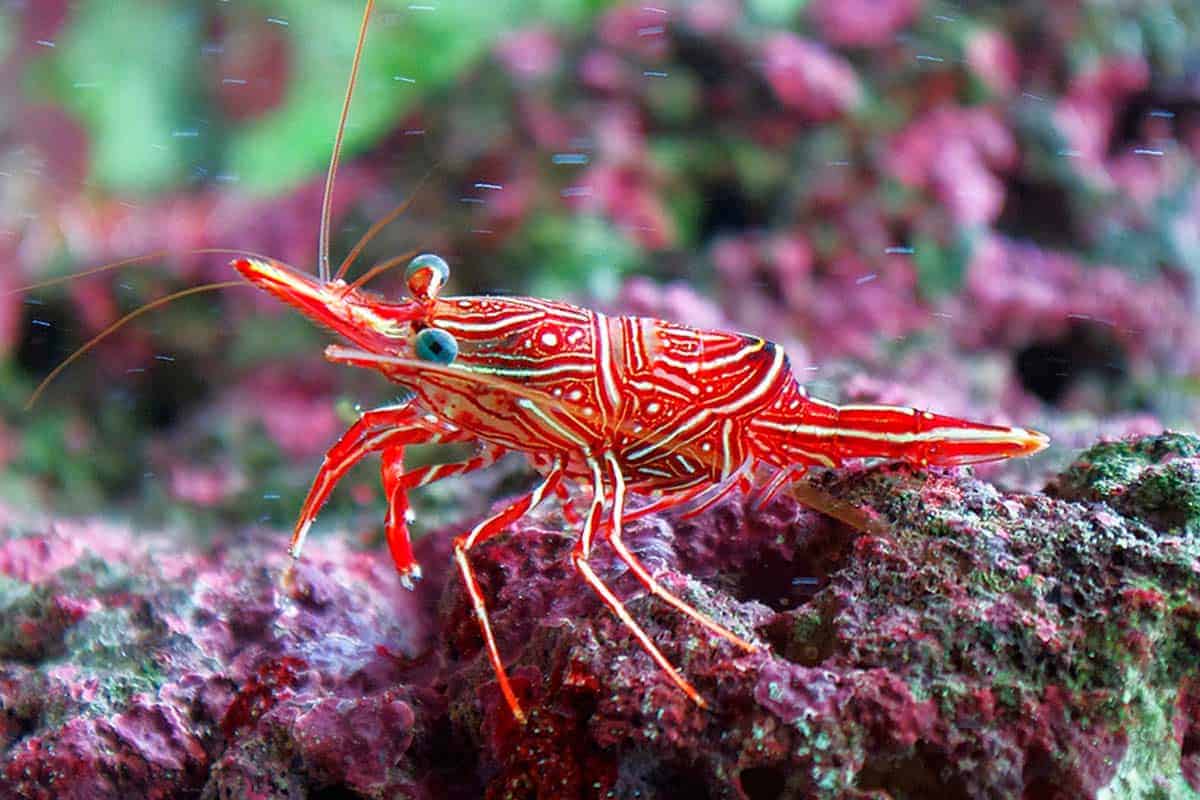
Camelback shrimp (Rhynchocinetes durbanensis)

400,00 EGP

VariationStatusPrice
SmallOut of Stock400,00 EGP
MediumOut of Stock400,00 EGP
LargeOut of Stock400,00 EGP
(1 customer review)

Fish Description

Facts
Latin NameRhynchocinetes durbanensis
Local NameCamelback shrimp
FamilyAlpheoidea - Rhynchocinetes
OriginEast Indian Ocean, Australia, Indonesia, East Pacific, Central/West Pacific
Max length4 cm (1,6")
As Aquarium Fish
Minimum volume50 l (13 gal)  ?
"Minimum volume" indicates the size of the tank needed to house this species under optimal conditions.
This is based on a medium size animal, which you want to keep for several years.
It might be possible to keep smaller specimens for a limited period in a smaller tank.
A larger tank might be needed for fully-grown specimens.
HardinessAverage ?
"Hardiness" indicates how resistant this species is to disease and how well i tolerates bad conditions in general.
Some species doesn't handle transportation very well, but that doesn't mean that the species isn't hardy under the right conditions.
Suitable for AquariumSuitable for most aquarium  ?
In this case, a "normal" aquarium is a reef aquarium with mixed corals or a fish only aquarium with an approximately salinity of 1.026 (sg) and a temperature close to 26°C.
Species requiring more than a 4000-liter tank are considered not suitable for home aquarium.
Special aquariums may cover tanks with low salinity, sub-tropical temperature, deep sand bed, sea grass etc.
Reef safeReef safe with caution  ?
Always reef safe: No sources indicate that this species will harm corals or other invertebrates.
Often reef safe: Only a few aquarists has reported problems keeping this species with corals and other invertebrates.
Reef safe with caution: This species may be a threat to some types of invertebrates.
Reef safe with luck: Most specimens will harm corals and/or other invertebrates, but you might be lucky.
Not reef safe: This species is a threat to most corals and/or other invertebrates.
AggressivenessPeaceful
Feed
RecommendedSoft coral
MostlyDetritus

الوصف

Beware of

Eats coral polyps

This species will eat coral polyps, which will result in a reduced growth of Zoanthus.

When an aquarium contains many corals this does not have any significant impact.


Keep in mind

Nocturnal

This species is nocturnal and therefore the most active when the light is dimmed or turned off.

Additional information

Size

Small, Medium, Large

1 review for Camelback shrimp (Rhynchocinetes durbanensis)

  1. omar mohamed

    omar mohamed (verified owner)

    Wonderful size and color

Only logged in customers who have purchased this product may leave a review.