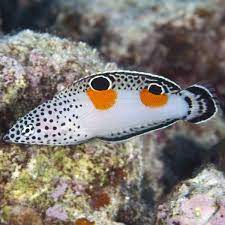
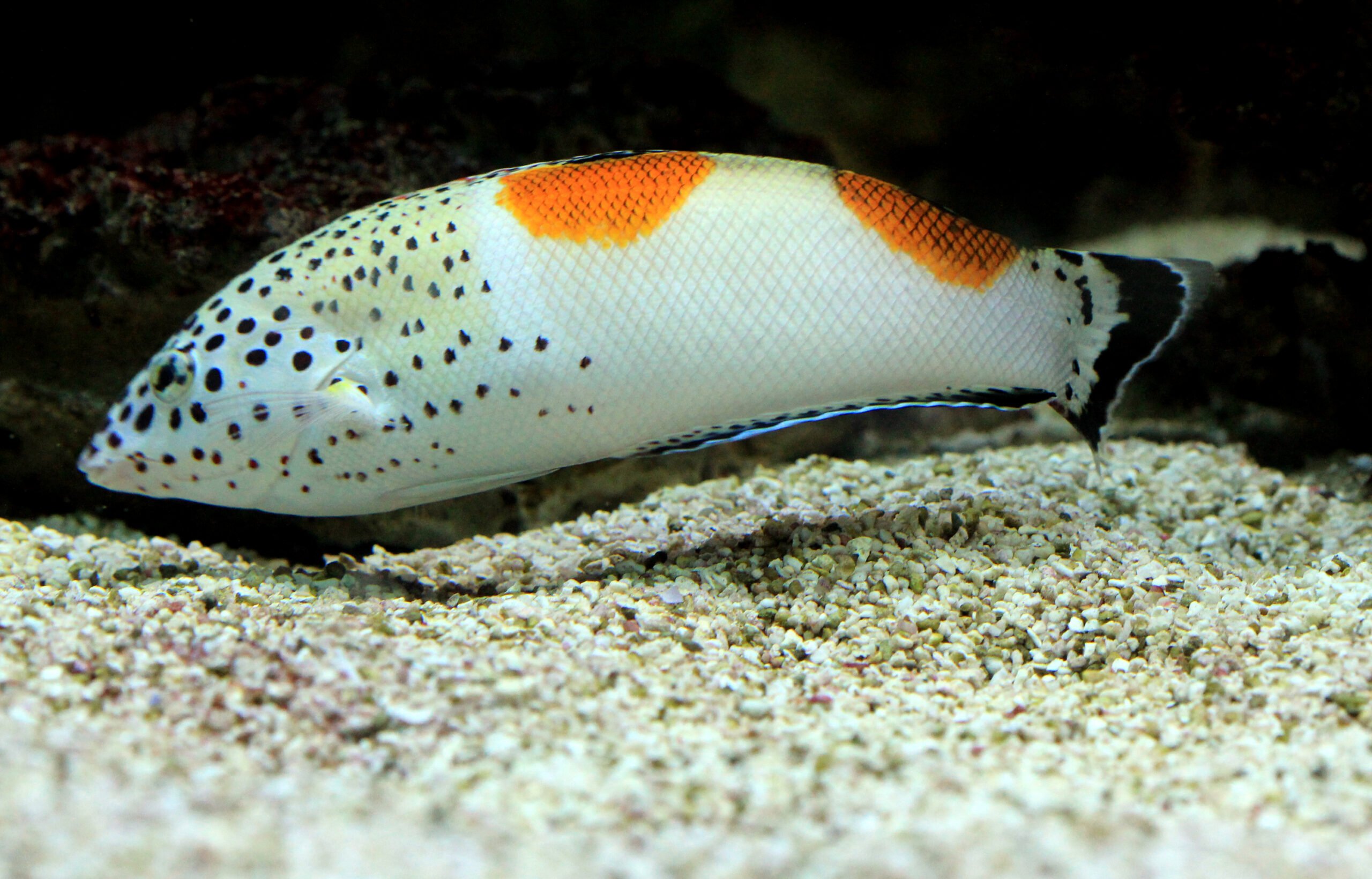
Clown coris (Coris aygula)
750,00 EGP
| Variation | Status | Price |
|---|---|---|
| Small | Out of Stock | 750,00 EGP |
| Medium | In Stock | 750,00 EGP |
| Large | Out of Stock | 750,00 EGP |
Fish Description
| Latin Name | Coris aygula - Lacepède, 1801 |
| Local Name | Clown coris |
| Family | Labridae - Coris |
| Origin | East Indian Ocean, West Indian Ocean, Australia, The Red Sea, Indonesia, East Pacific, Central/West Pacific |
| Max length | 120 cm (47.2") |
| Minimum volume | 1500 l (396 gal) ? "Minimum volume" indicates the size of the tank needed to house this species under optimal conditions.This is based on a medium size animal, which you want to keep for several years.It might be possible to keep smaller specimens for a limited period in a smaller tank.A larger tank might be needed for fully-grown specimens. |
| Hardiness | Hardy ? "Hardiness" indicates how resistant this species is to disease and how well i tolerates bad conditions in general.Some species doesn't handle transportation very well, but that doesn't mean that the species isn't hardy under the right conditions. |
| Suitable for Aquarium | Suitable with care ? In this case, a "normal" aquarium is a reef aquarium with mixed corals or a fish only aquarium with an approximately salinity of 1.026 (sg) and a temperature close to 26°C.Species requiring more than a 4000-liter tank are considered not suitable for home aquarium.Special aquariums may cover tanks with low salinity, sub-tropical temperature, deep sand bed, sea grass etc. |
| Reef safe | Not reef safe ? Always reef safe: No sources indicate that this species will harm corals or other invertebrates.Often reef safe: Only a few aquarists has reported problems keeping this species with corals and other invertebrates.Reef safe with caution: This species may be a threat to some types of invertebrates.Reef safe with luck: Most specimens will harm corals and/or other invertebrates, but you might be lucky.Not reef safe: This species is a threat to most corals and/or other invertebrates. |
| Aggressiveness | Might be aggressive towards other species |
| Recommended | Larger crustaceans (Shrimp, crabs...) |
| Maybee | Fish |
الوصف
Beware of
| Can be a threat to small fish |
|---|
|
This spicies might be a threat to smaller fishes. |
| Can nibble at clams |
|---|
|
This species sometimes nibbles at clams including Tridacna species.
|
| An effective invertebrate hunter |
|---|
|
These fish will hunt crustaceans, sea urchins and worms in an aquarium, very effectively.
|
| Demand a very large aquarium when fully grown |
|---|
|
This species needs a very large aquarium when fully grown. Exactly how big the aquarium should be is hard to say, but the size of this species is such, that it cannot normally be kept in a home aquarium. |
Keep in mind
| Requires a varied diet |
|---|
|
This species must be fed with an appropriately varied diet. |
| Deep sandy substrate |
|---|
|
This species needs a minimum of 2 inch (5 cm) of sand in the aquarium bottom, so it can dig itself down when afraid or needing to sleep. |
| Acclimitises best as a juvenile |
|---|
|
This species will better acclimatize to the aquarium`s condition if introduced, when young.
Very small individuals can be very delicate. |
| Rearranges rocks and sand |
|---|
|
This species has a habit of rearranging rocks and sand. Make sure rocks are placed securely on the substrate, so they cannot toppled over. |
| Likes to hide at first |
|---|
|
These fish may well hide themselves for a while, whilst getting acclimatized. Do not disturb the fish while acclimating because it will prolong the process. |
| Requires plenty of space for swimming. |
|---|
|
This species revels in swimming and requires an aquarium with ample space. |
| Hermaphroditic |
|---|
|
This species can change gender from female to male.
When a male is needed, a female changes sex and takes on the role. |
| Eats Pyramid snails |
|---|
|
This species can be used to combat Pyramid snails. One can of course be unlucky in having an individual that refuses to eat them. |
Related
Additional information
| Size | Small, Medium, Large |
|---|
Only logged in customers who have purchased this product may leave a review.
Related products
-

Chocolate Surgeonfish (Acanthurus pyroferus)
1700,00 EGP – 3000,00 EGPPrice range: 1700,00 EGP through 3000,00 EGP Select options This product has multiple variants. The options may be chosen on the product page -
Orangeshoulder Tang (Acanthurus olivaceus)
1500,00 EGP – 4000,00 EGPPrice range: 1500,00 EGP through 4000,00 EGP Select options This product has multiple variants. The options may be chosen on the product page -
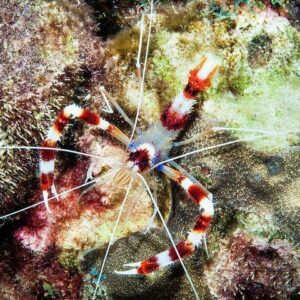
Banded Boxer Shrimp (Stenopus hispidus)
Rated 5.00 out of 5450,00 EGP – 500,00 EGPPrice range: 450,00 EGP through 500,00 EGP Select options This product has multiple variants. The options may be chosen on the product page -
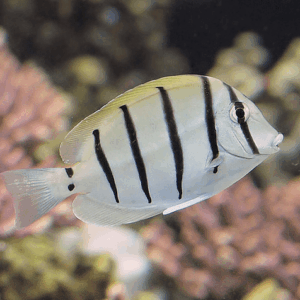
Convict Tang (Acanthurus triostegus)
400,00 EGP – 500,00 EGPPrice range: 400,00 EGP through 500,00 EGP Select options This product has multiple variants. The options may be chosen on the product page
 English
  العربية
Reviews
There are no reviews yet.