Out of Stock

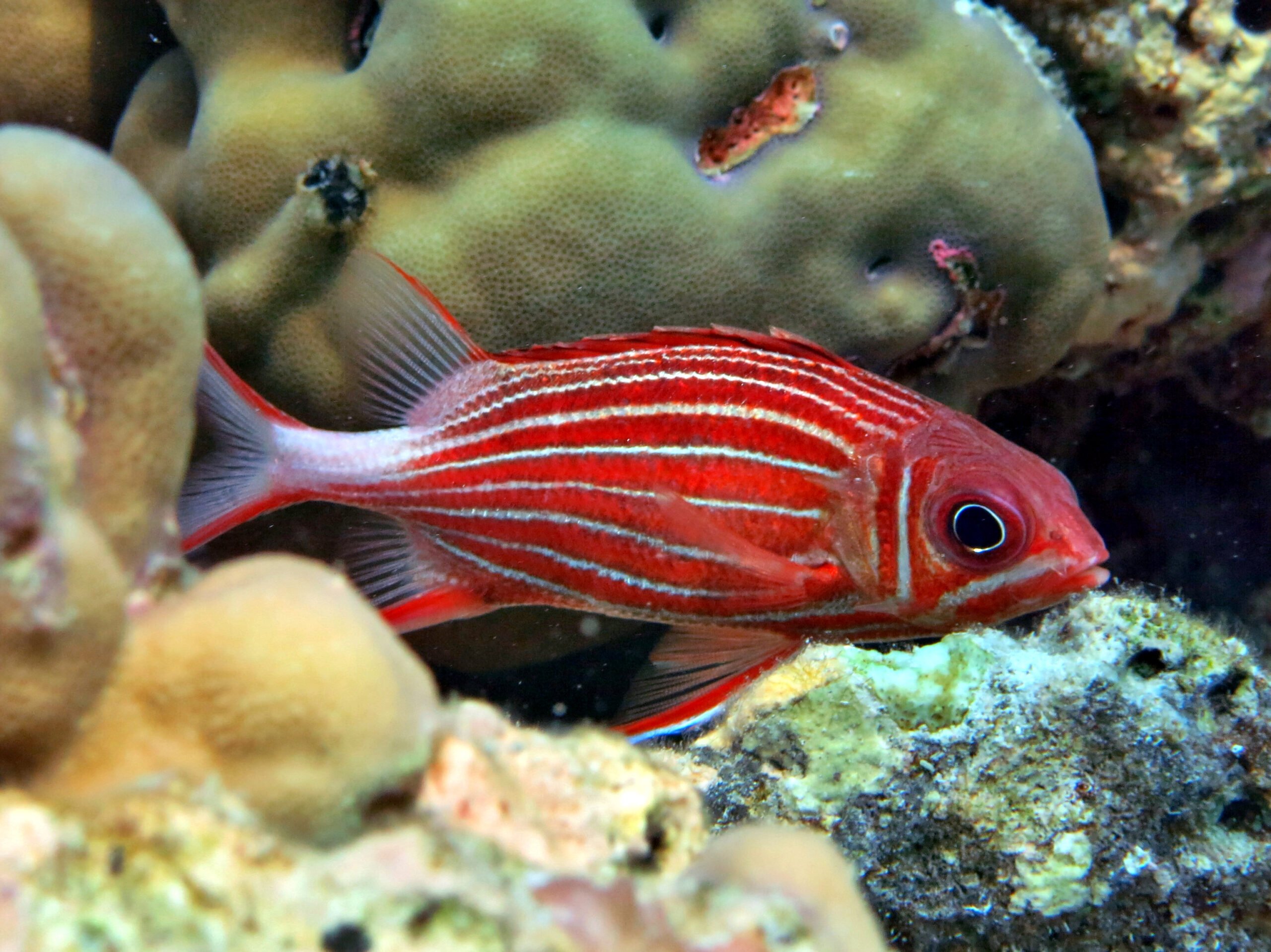
Crown squirrelfish (Sargocentron diadema)

400,00 EGP

VariationStatusPrice
SmallOut of Stock400,00 EGP
MediumOut of Stock400,00 EGP
LargeOut of Stock400,00 EGP

Fish Description

Facts
Latin NameSargocentron diadema - (Lacepède, 1802)
Local NameCrown squirrelfish
FamilyHolocentridae - Sargocentron
OriginEast Indian Ocean, West Indian Ocean, Australia, Japan, The Red Sea, Indonesia, Central/West Pacific
Max length17 cm (6.7")
As Aquarium Fish
Minimum volume600 l (158 gal)  ?
"Minimum volume" indicates the size of the tank needed to house this species under optimal conditions.
This is based on a medium size animal, which you want to keep for several years.
It might be possible to keep smaller specimens for a limited period in a smaller tank.
A larger tank might be needed for fully-grown specimens.
HardinessHardy ?
"Hardiness" indicates how resistant this species is to disease and how well i tolerates bad conditions in general.
Some species doesn't handle transportation very well, but that doesn't mean that the species isn't hardy under the right conditions.
Suitable for AquariumSuitable with care ?
In this case, a "normal" aquarium is a reef aquarium with mixed corals or a fish only aquarium with an approximately salinity of 1.026 (sg) and a temperature close to 26°C.
Species requiring more than a 4000-liter tank are considered not suitable for home aquarium.
Special aquariums may cover tanks with low salinity, sub-tropical temperature, deep sand bed, sea grass etc.
Reef safeReef safe with caution ?
Always reef safe: No sources indicate that this species will harm corals or other invertebrates.
Often reef safe: Only a few aquarists has reported problems keeping this species with corals and other invertebrates.
Reef safe with caution: This species may be a threat to some types of invertebrates.
Reef safe with luck: Most specimens will harm corals and/or other invertebrates, but you might be lucky.
Not reef safe: This species is a threat to most corals and/or other invertebrates.
AggressivenessMostly peaceful but might be aggressive towards similar species
Feed
Recommended

Larger crustaceans (Shrimp, crabs...)
Small crustaceans (Krill, mysis, artemia...)

Description

Beware of

Can be a threat to small fish
This spicies might be a threat to smaller fishes.
Can be a threat towards small crustaceans
This species can be a threat towards small crustaceans, e.g. small shrimp.
Take care when catching these fish
These fish should not be caught with a net, as it is all too easy to damage their large eyes.
Venomous
This species is venomous, but it´s toxin is rarely dangerous to humans. It can however cause considerable pain.
In case of poisoning it is vital to have as much information as possible regarding the species/poison. Have telephone numbers for the poison hotline close to the aquarium.
Since different people can have different reactions to poisons, take precautions necessary to ensure personal safety and that of the surroundings.
This poison can be dangerous if suffering from allergies.

Keep in mind

Secretive
A very secretive species which hides between the rocks.
When it feels at home in the aquarium it will appear more, but is still not as active in the water column as most of the other fish.
Overhangs and caves
This species thrives best in an aquarium with overhangs and caves.
Can be aggressive
This species can be aggressive when kept together with fish that are very similar, or if they are not provided with adequate space.
Nocturnal
This species is nocturnal and therefore the most active when the light is dimmed or turned off.
Initially shy
This species can be very shy when first introduced into a new aquarium.
More aggressive fish can be introduced after this species has acclimatized.

Additional information

Size

Small, Medium, Large

Reviews

There are no reviews yet.

Only logged in customers who have purchased this product may leave a review.