Out of Stock

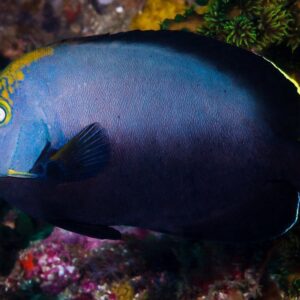
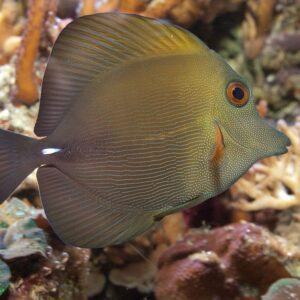
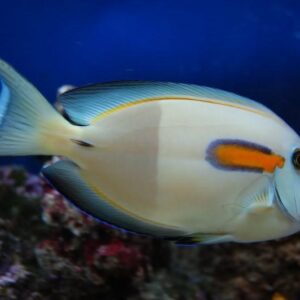
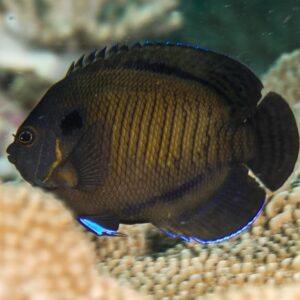
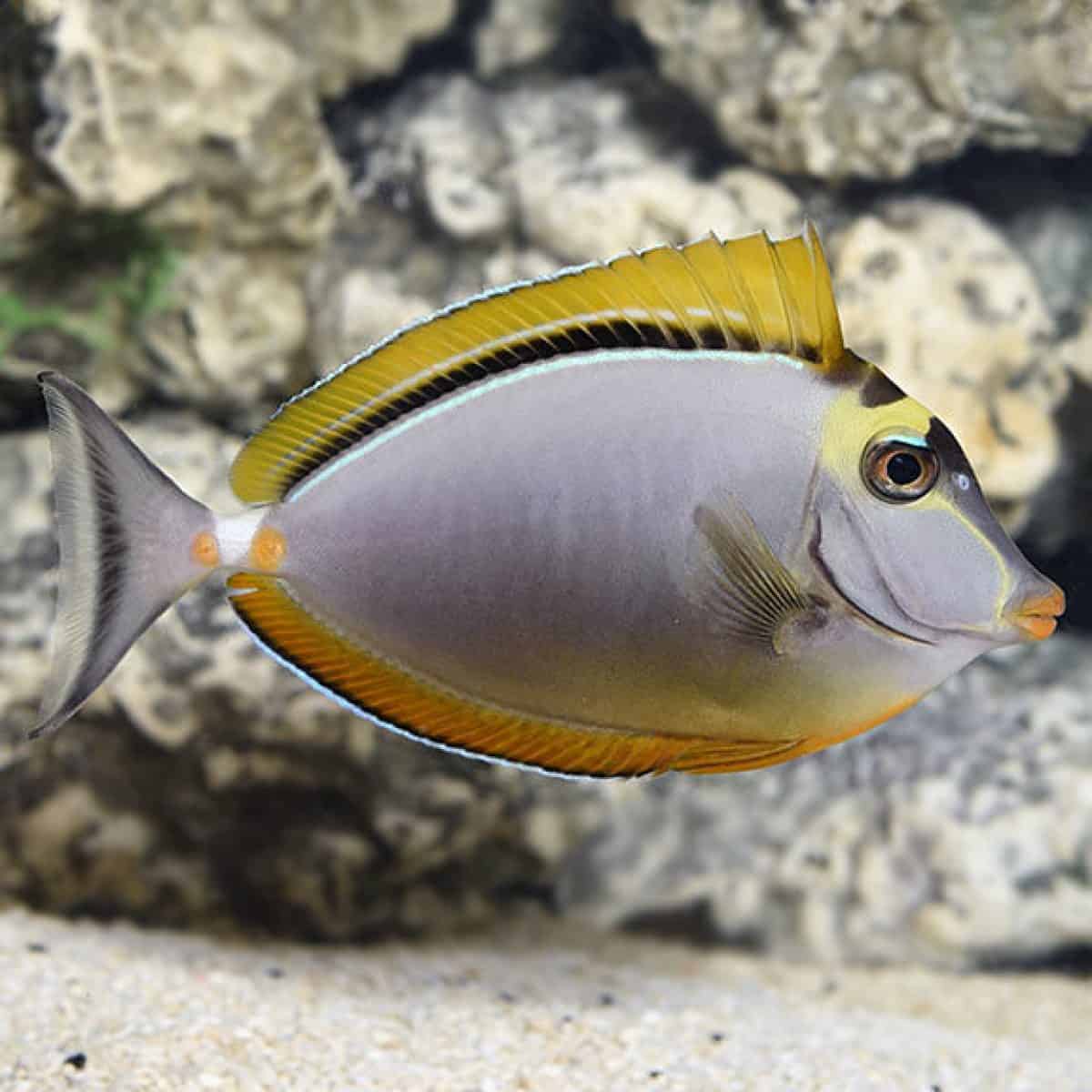
Blonde Naso Tang (Naso elegans)

1300,00 EGP

VariationStatusPrice
SmallOut of Stock1300,00 EGP
MediumOut of Stock1300,00 EGP
LargeOut of Stock1300,00 EGP
SKU 5101 Categories , , Tags , ,

Fish Description

Facts
Latin NameNaso elegans - (Rüppell, 1829)
Local NameBlonde Naso Tang
FamilyAcanthuridae - Naso
OriginEast Indian Ocean, West Indian Ocean, The Red Sea, Indonesia
Max length45 cm (17,7")
As Aquarium Fish
Minimum volume900 l (237 gal) ?
"Minimum volume" indicates the size of the tank needed to house this species under optimal conditions.
This is based on a medium size animal, which you want to keep for several years.
It might be possible to keep smaller specimens for a limited period in a smaller tank.
A larger tank might be needed for fully-grown specimens.
HardinessDelicate ?
"Hardiness" indicates how resistant this species is to disease and how well i tolerates bad conditions in general.
Some species doesn't handle transportation very well, but that doesn't mean that the species isn't hardy under the right conditions.
Suitable for AquariumSuitable with care ?
In this case, a "normal" aquarium is a reef aquarium with mixed corals or a fish only aquarium with an approximately salinity of 1.026 (sg) and a temperature close to 26°C.
Species requiring more than a 4000-liter tank are considered not suitable for home aquarium.
Special aquariums may cover tanks with low salinity, sub-tropical temperature, deep sand bed, sea grass etc.
Reef safeAlways reef safe ?
Always reef safe: No sources indicate that this species will harm corals or other invertebrates.
Often reef safe: Only a few aquarists has reported problems keeping this species with corals and other invertebrates.
Reef safe with caution: This species may be a threat to some types of invertebrates.
Reef safe with luck: Most specimens will harm corals and/or other invertebrates, but you might be lucky.
Not reef safe: This species is a threat to most corals and/or other invertebrates.
AggressivenessMight be aggressive towards similar species
Feed
Recommended

Macroalgea (Eg. seaweed / nori)
Microalgea (Eg. spirulina)

MostlySmall crustaceans (Krill, mysis, artemia...)

الوصف

Beware of

Jumps out of open aquaria
This species is known to jump out of open aquaria.
Can die sometimes inexplicably

There are some experienced aquarists who have problems keeping this species alive, whilst some others are succesful and keep it for many years.

If one is one of the unlucky ones, it can happen that the fish suddenly die of unknown causes, after some time in captivity, even though it apparently looked healthy.

Keep in mind

Well established aquarium with algae

These fish should be kept in a well run aquarium where they can “graze” algae from rocks and stones.

If there are insufficient algae on the rocks, it is important to feed more frequently and supplement with algae rich food e.g. Spirulina.

Requires plenty of space for swimming.
This species revels in swimming and requires an aquarium with ample space.
Hiding places

This species requires places to hide, especially when newly introduced into the aquarium.

Algae Eaters
Even though these fish enjoy a diverse type of frozen foods, it is imperative that its primary food, is algae based, thus ensuring that the fish`s immune system remains healthy.
This can, for example, be plant based fish flakes, Nori seaweed or similar.

Additional information

Size

Small, Medium, Large

Reviews

There are no reviews yet.

Only logged in customers who have purchased this product may leave a review.