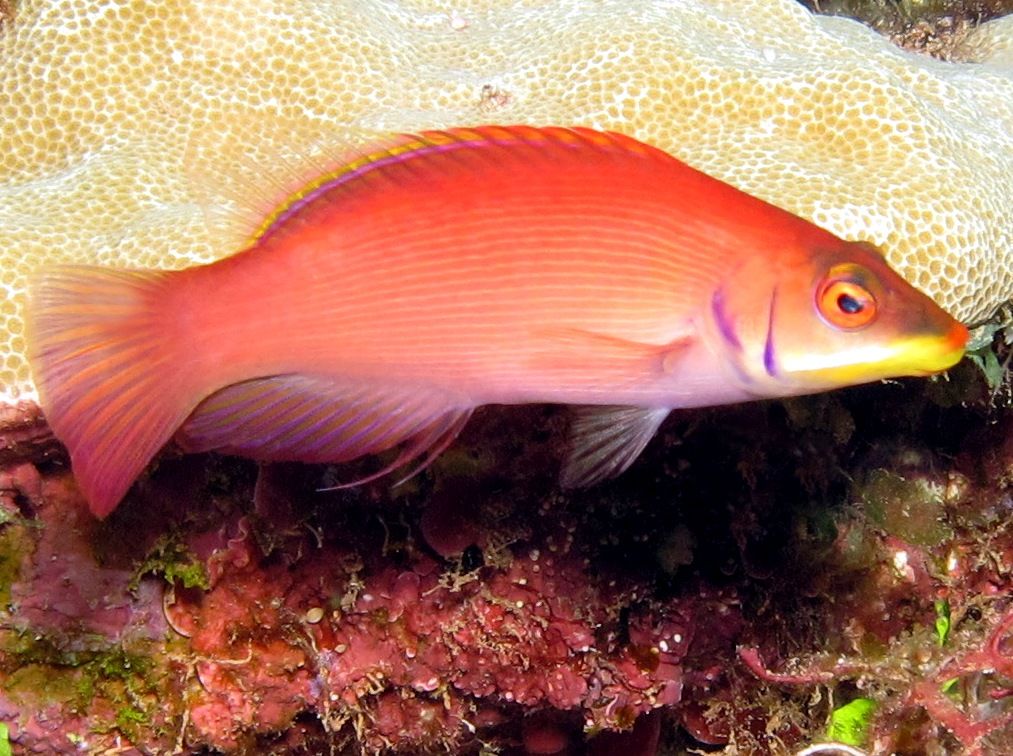
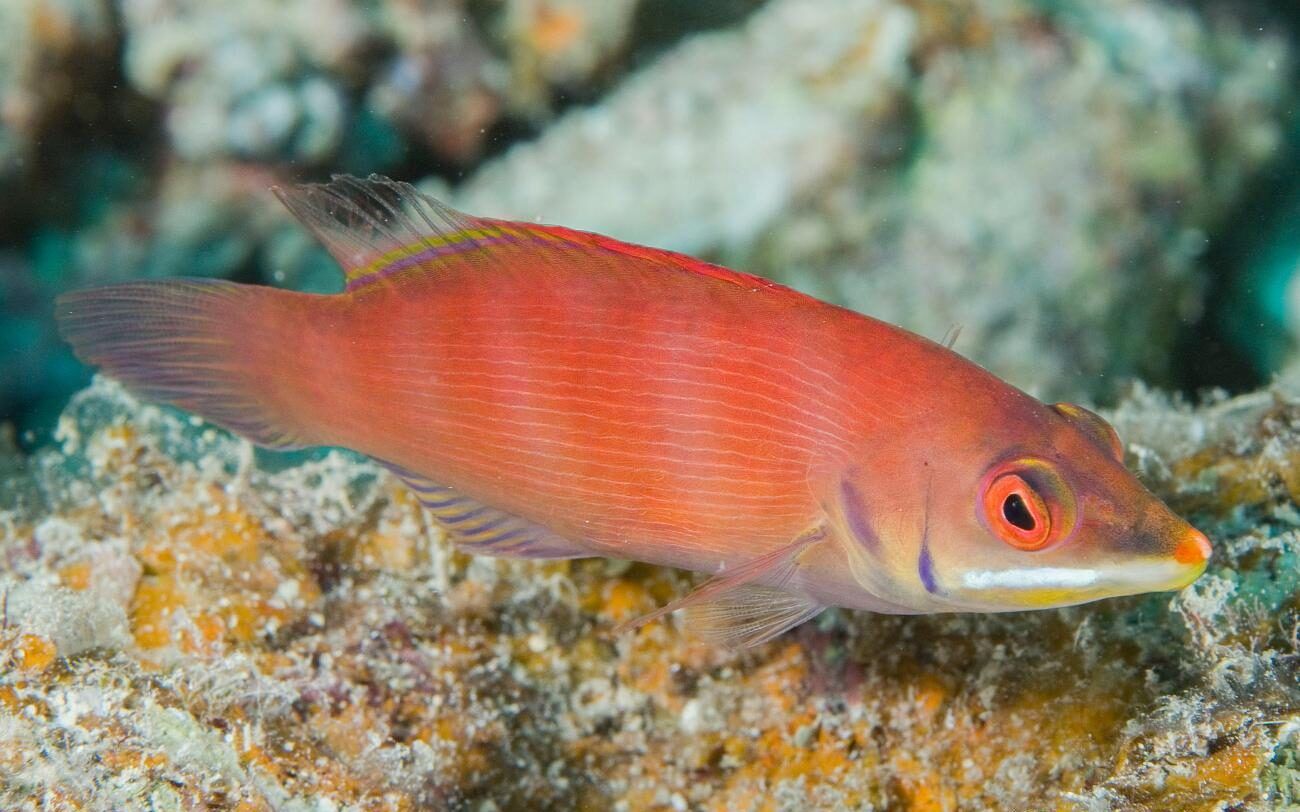
Disappearing Wrasse (Pseudocheilinus evanidus)
350,00 EGP
| Variation | Status | Price |
|---|---|---|
| Small | Out of Stock | 350,00 EGP |
| Medium | Out of Stock | 350,00 EGP |
| Large | Out of Stock | 350,00 EGP |
SKU
3777
Categories Fishs, Live Stock, Wrasses
Tags Labridae, Pseudocheilinus, Reef safe with caution
Fish Description
Facts
| Latin Name | Pseudocheilinus evanidus - (Jordan & Evermann, 1903) |
| Local Name | Disappearing Wrasse |
| Family | Labridae - Pseudocheilinus |
| Origin | East Indian Ocean, West Indian Ocean, Australia, The Red Sea, Indonesia, East Pacific, Central/West Pacific |
| Max length | 8 cm (3,1") |
As Aquarium Fish
| Minimum volume | 200 l (53 gal) ? "Minimum volume" indicates the size of the tank needed to house this species under optimal conditions.This is based on a medium size animal, which you want to keep for several years.It might be possible to keep smaller specimens for a limited period in a smaller tank.A larger tank might be needed for fully-grown specimens. |
| Hardiness | Average ? "Hardiness" indicates how resistant this species is to disease and how well i tolerates bad conditions in general.Some species doesn't handle transportation very well, but that doesn't mean that the species isn't hardy under the right conditions. |
| Suitable for Aquarium | Suitable with care ? In this case, a "normal" aquarium is a reef aquarium with mixed corals or a fish only aquarium with an approximately salinity of 1.026 (sg) and a temperature close to 26°C.Species requiring more than a 4000-liter tank are considered not suitable for home aquarium.Special aquariums may cover tanks with low salinity, sub-tropical temperature, deep sand bed, sea grass etc. |
| Reef safe | Reef safe with caution ? Always reef safe: No sources indicate that this species will harm corals or other invertebrates.Often reef safe: Only a few aquarists has reported problems keeping this species with corals and other invertebrates.Reef safe with caution: This species may be a threat to some types of invertebrates.Reef safe with luck: Most specimens will harm corals and/or other invertebrates, but you might be lucky.Not reef safe: This species is a threat to most corals and/or other invertebrates. |
| Aggressiveness | Aggressive towards other species |
Feed
| Recommended | Larger crustaceans (Shrimp, crabs...) |
الوصف
Beware of
| Jumps out of open aquaria |
|---|
|
This species is known to jump out of open aquaria. |
| Can be a threat to small fish |
|---|
|
This spicies might be a threat to smaller fishes. |
| Poses a threat towards invertebrates |
|---|
|
This species will eat small crustaceans, snails, sea urchins, bristleworm etc. |
| Aggressive |
|---|
|
This species can be extremely aggressive towards other fish.
Be careful when keeping these fish together with peaceful or docile species. Regular feeding, plenty of hiding places and a lot of space can alleviate aggressive behavior to some degree. |
Keep in mind
| Thrive best on their own |
|---|
|
These fish flourish better without other members of the same species in the aquarium. |
| Frequent feeding |
|---|
|
This fish requires feeding several times a day, especially when newly added.
When the fish can find its natural food in the aquarium it requires less frequent feeding. |
| Hiding places |
|---|
|
This species requires places to hide, especially when newly introduced into the aquarium. |
| Hermaphroditic |
|---|
|
This species can change gender from female to male.
When a male is needed, a female changes sex and takes on the role. |
| Eats flatworm |
|---|
|
This species is known to feed on flatworms.
One can, of course be unlucky in having a specimen that refuses to eat them. |
| Eats Pyramid snails |
|---|
|
This species can be used to combat Pyramid snails. One can of course be unlucky in having an individual that refuses to eat them. |
| Initially shy |
|---|
|
This species can be very shy when first introduced into a new aquarium.
More aggressive fish can be introduced after this species has acclimatized. |
Related
Additional information
| Size | Small, Medium, Large |
|---|
Only logged in customers who have purchased this product may leave a review.
Related products
-

Coral beauty (Centropyge bispinosa)
4000,00 EGP – 4500,00 EGPPrice range: 4000,00 EGP through 4500,00 EGP Select options This product has multiple variants. The options may be chosen on the product page -
Bicolor Angelfish (Centropyge bicolor)
1000,00 EGP Select options This product has multiple variants. The options may be chosen on the product page -
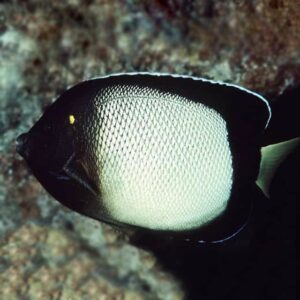
Yellowtail Angelfish (Apolemichthys xanthurus)
1500,00 EGP Select options This product has multiple variants. The options may be chosen on the product page -
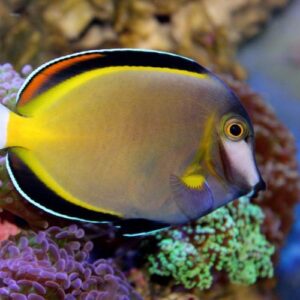
Powder Brown Tang (Acanthurus japonicus)
750,00 EGP – 1000,00 EGPPrice range: 750,00 EGP through 1000,00 EGP Select options This product has multiple variants. The options may be chosen on the product page
 English
  العربية
Reviews
There are no reviews yet.